SkillsPULSE: Skills – Predicting, Understanding, and Locating Shortages in Europe

The context
Eurostat forecasts show that in 2030, the labour force (19-65 year-olds) will decrease by 4% in the European Union, while by 2050, 8% of the labour force will have been lost.
There is a tendency to think that skills shortages and gaps are just temporary issues that will resolve over time without intervention. But the evidence suggests otherwise.
These challenges, where employers struggle to find qualified candidates and existing employees lack necessary skills, persistently hinder individual careers, business performance, and the overall economy.
It’s crucial to identify, measure and address these gaps across different jobs, sectors, and regions to mitigate their impact and boost productivity.
The project
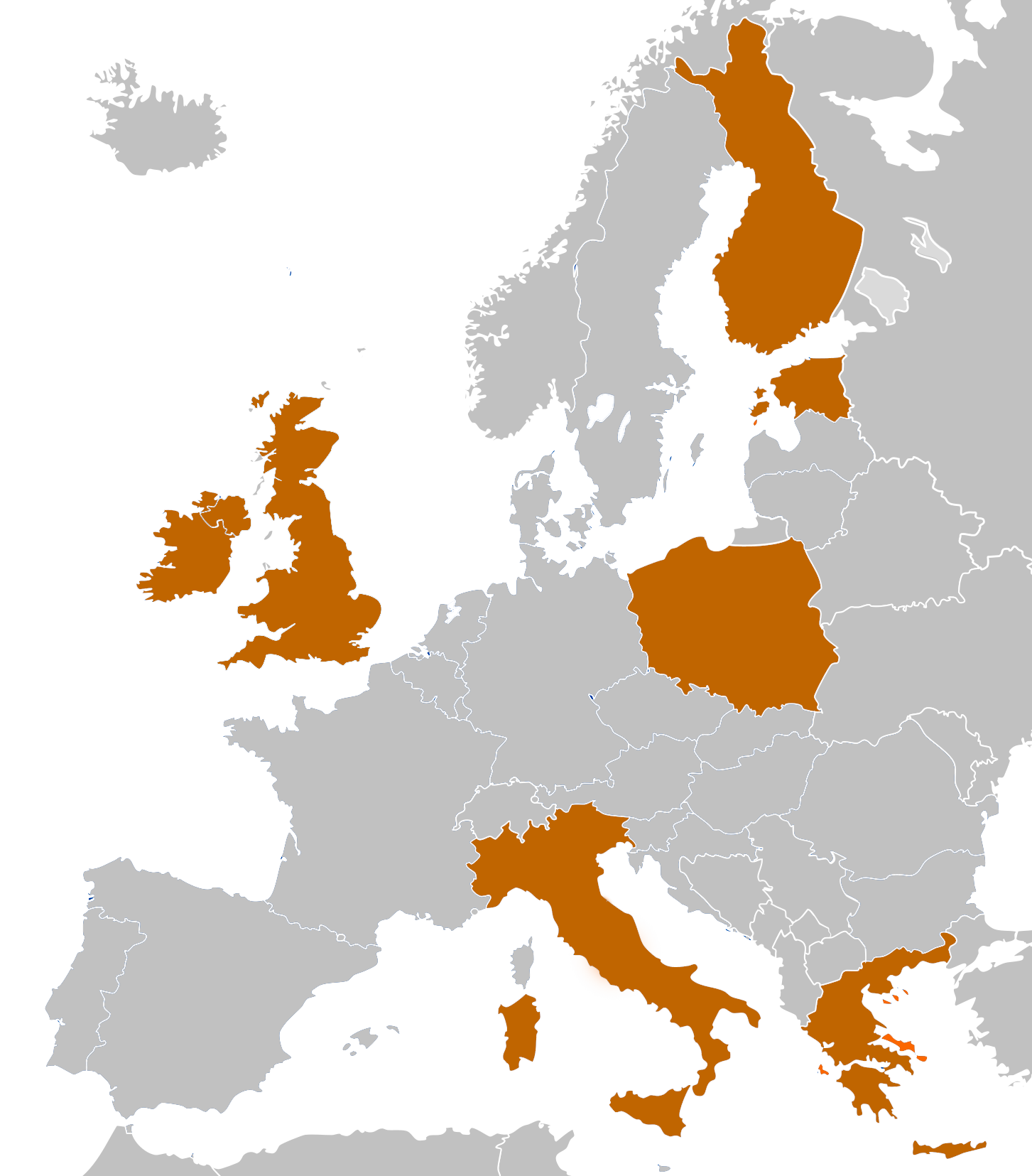
SkillsPULSE (Skills – Predicting, Understanding, and Locating Shortages in Europe) is a 3-year (June ’24-June ’27) Horizon Europe project, coordinated by Fondazione Giacomo Brodolini (Italy), with 7 partners from 7 European countries: University of Tartu (Estonia), University of Lodz (Poland), Economic and Social Research Institute ESRI (Ireland), National Centre for Social Research EKKE (Greece), University of Pisa (Italy), University of Jyväskylä (Finland), and University of Warwick (UK).
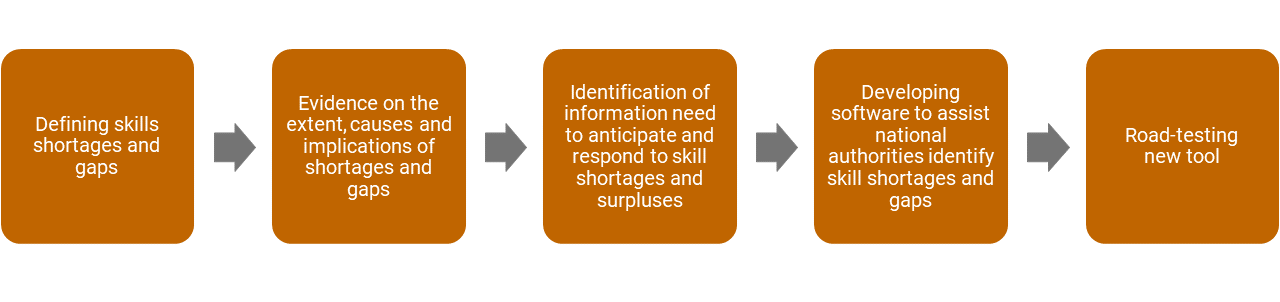
Over the next three years, the SkillsPULSE partners will work together to provide a conceptual review of skills shortages and gaps, and devise a means of measuring their incidence and the extent to which they are likely to arise in the future as a consequence of key changes in the economy, notably digitalisation.
SkillsPULSE contributes to the European Skills Agenda by strengthening skills intelligence in a way that will facilitate strategic upskilling and provide the evidence base for the development of new training opportunities for young people in emerging STEM areas, and by providing a set of tools for the development of policy initiatives in the areas of education and skills, that can help drive growth in European innovation and competitiveness.
The project will provide a methodology for identifying the extent, causes, and implications of skills deficiencies in Europe. A series of indicators, including a Skills Shortage Index, will be developed and incorporated into a software tool for use by those responsible for labour market skills intelligence at both national and European levels.