SkillsPULSE EU Conference, a unique occasion to discuss Europe’s evolving skill needs
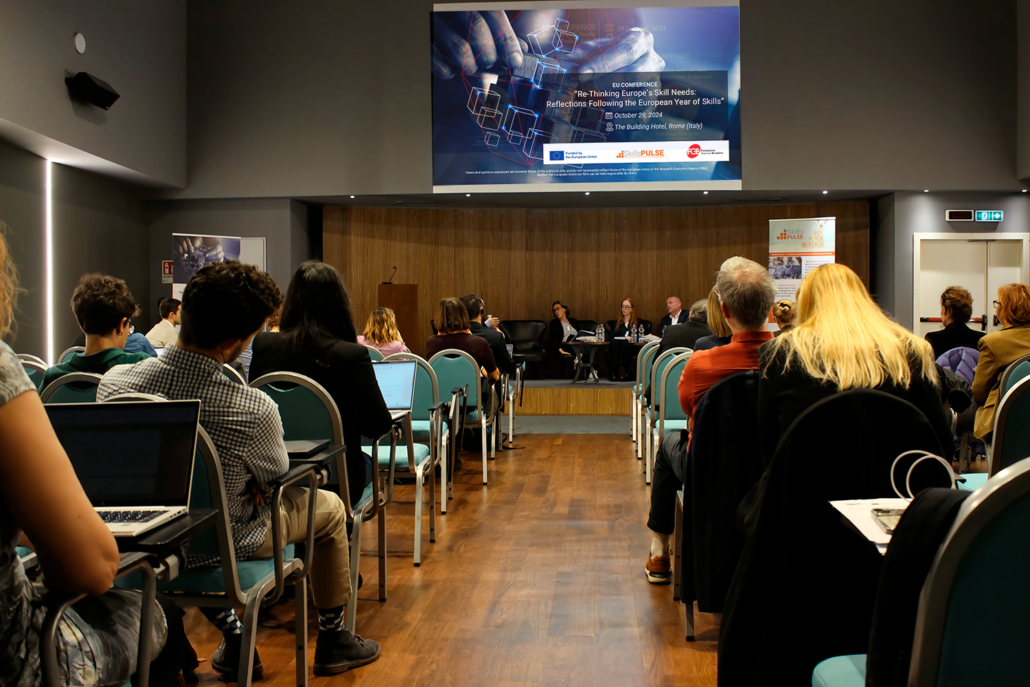
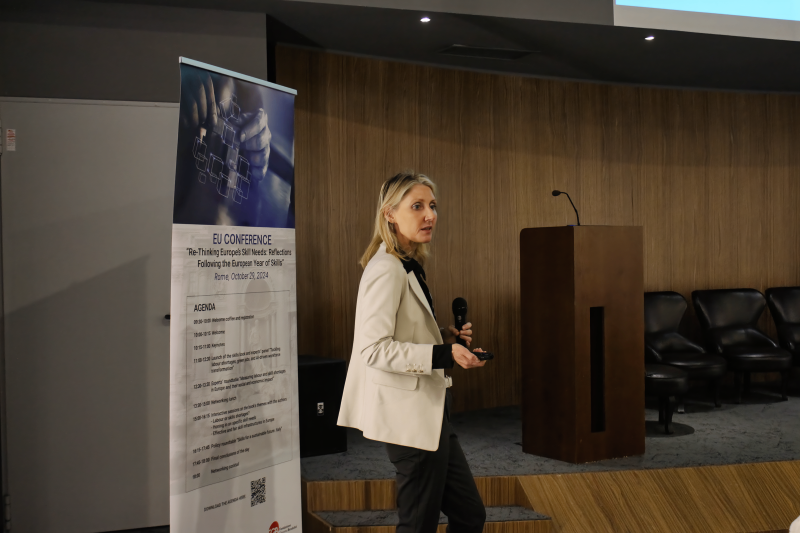
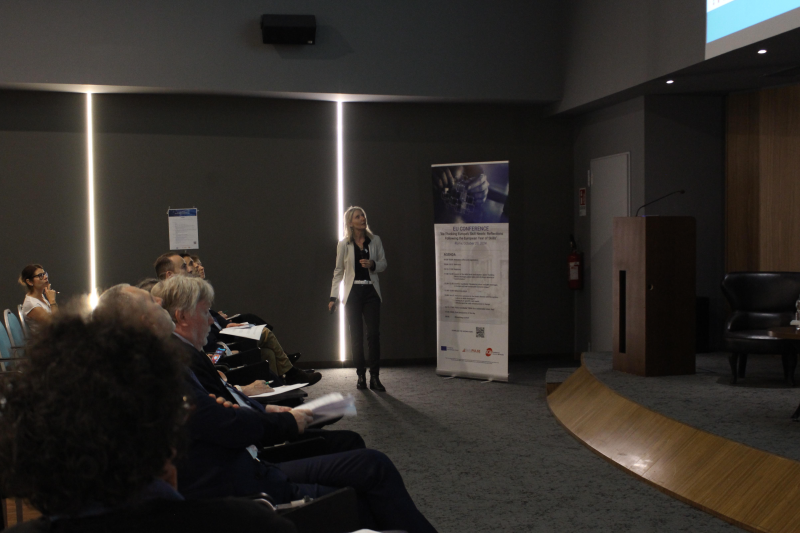
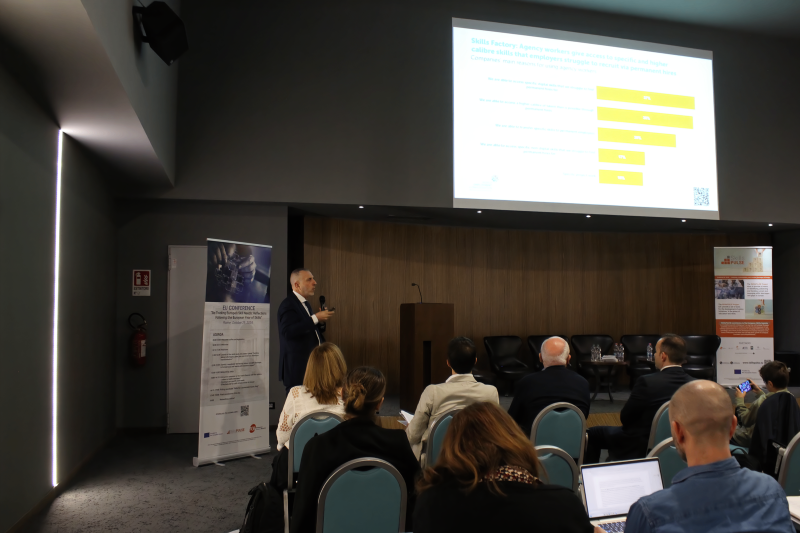
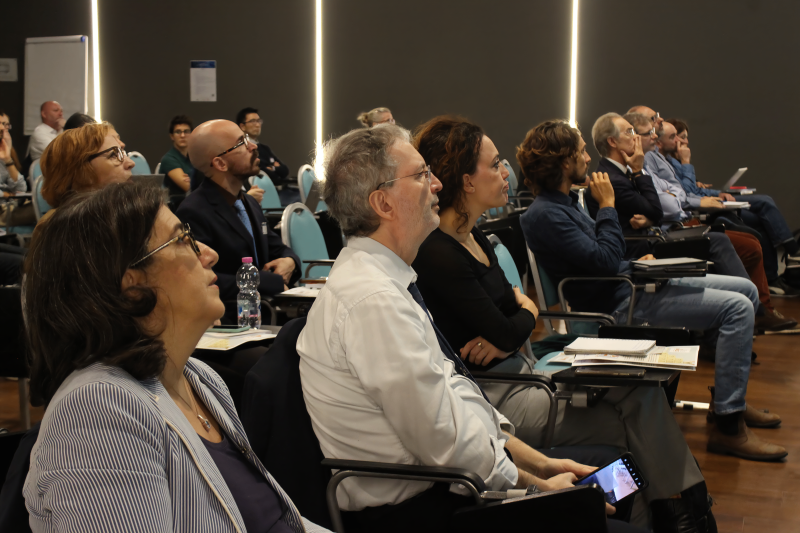
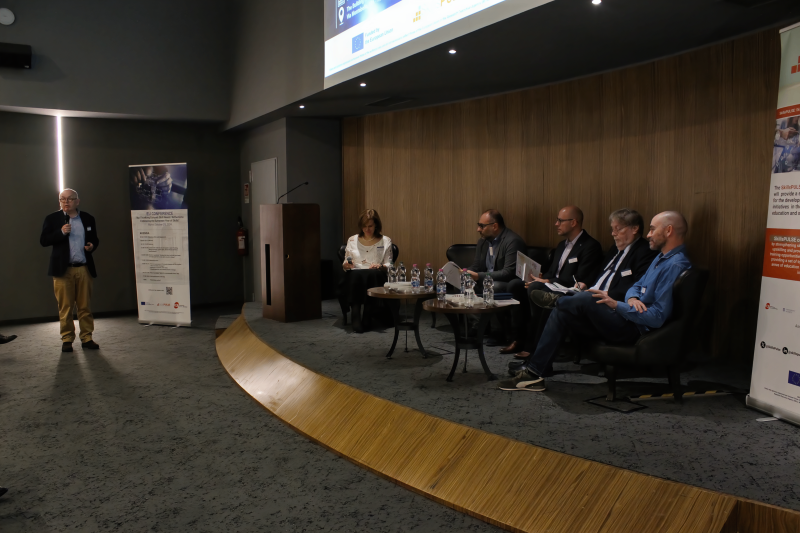
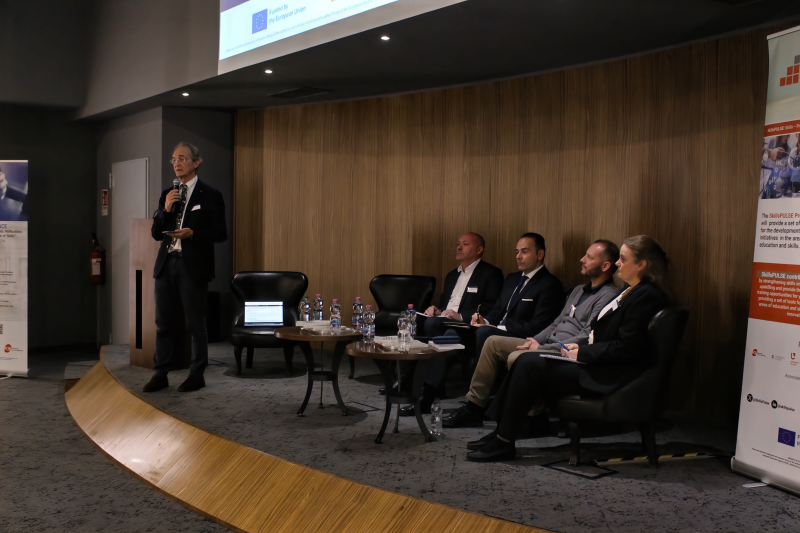
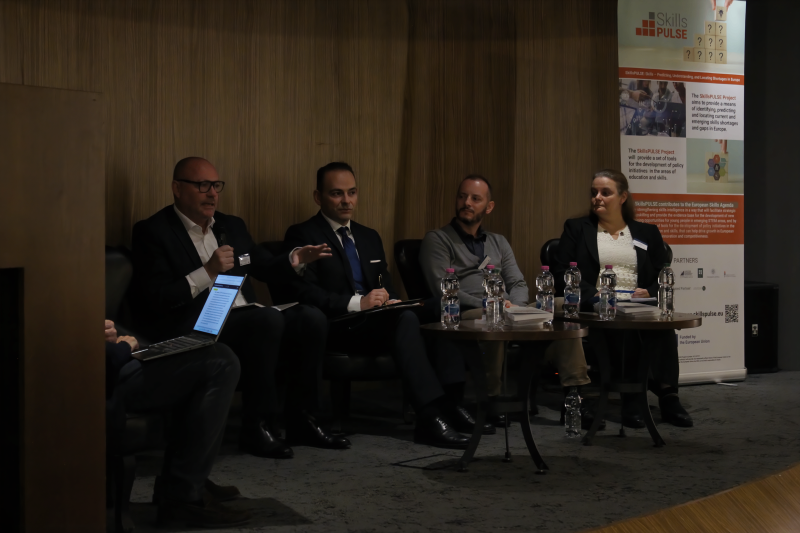
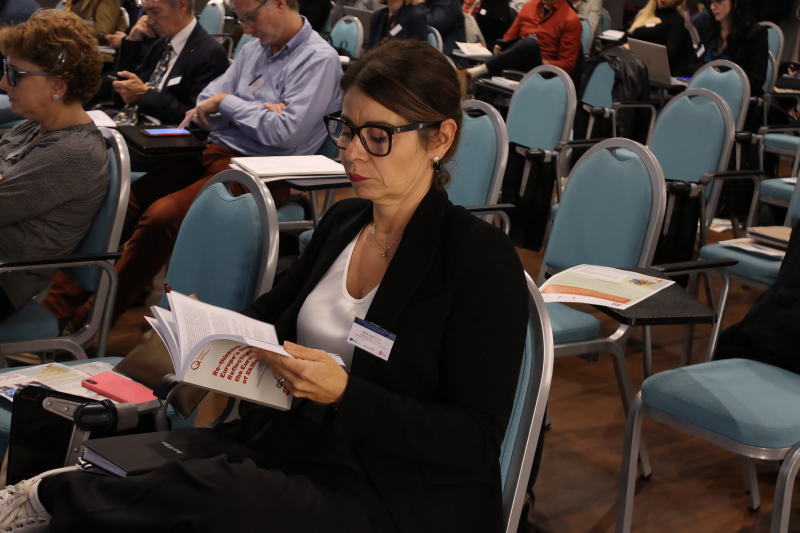
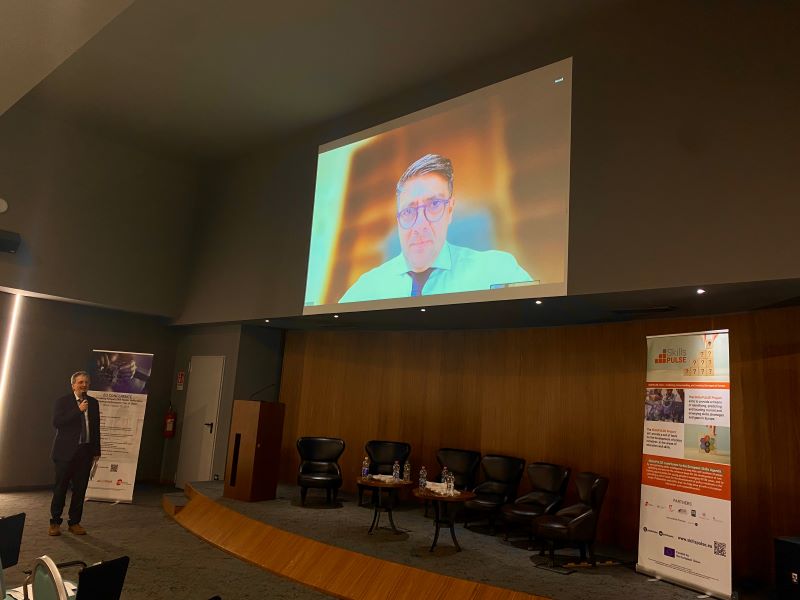
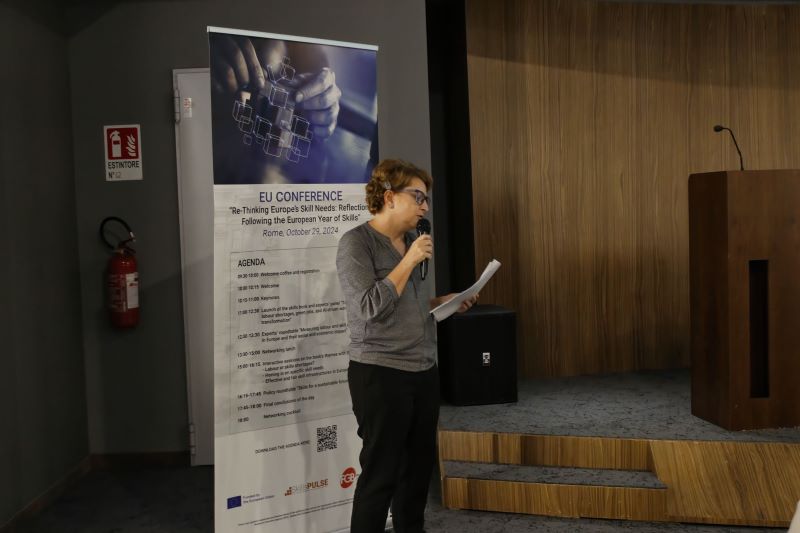
Last October 29, the SkillsPULSE Conference “Re-Thinking Europe’s Skill Needs: Reflections Following the European Year of Skills” brought together in Rome diverse perspectives to address this common challenge.
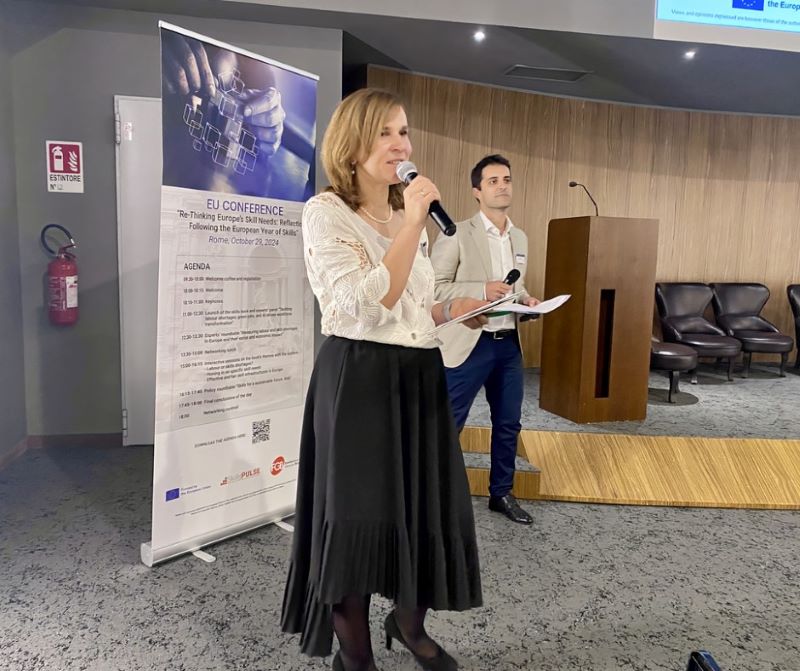
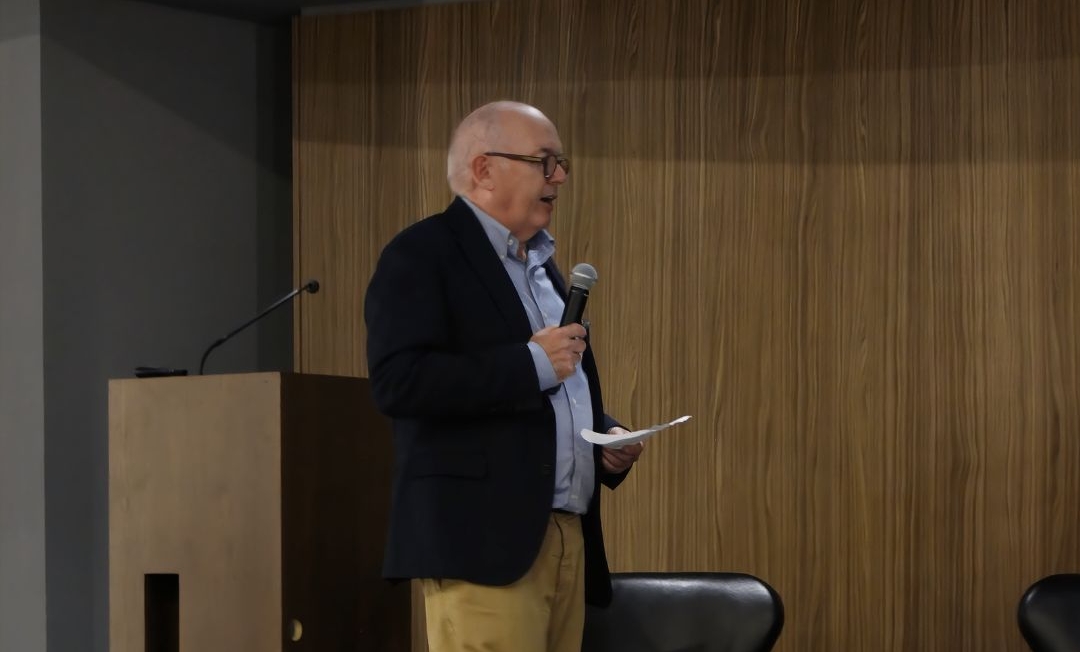
The SkillsPULSE Conference was full of critical insights, where distinguished international experts and researchers shared their vision on Europe’s emerging skill needs and skill imbalances. All panels and discussions were introduced by Giancarlo Dente, from Fondazione Giacomo Brodolini, and Liga Baltina, coordinator of the SkillsPULSE Project.
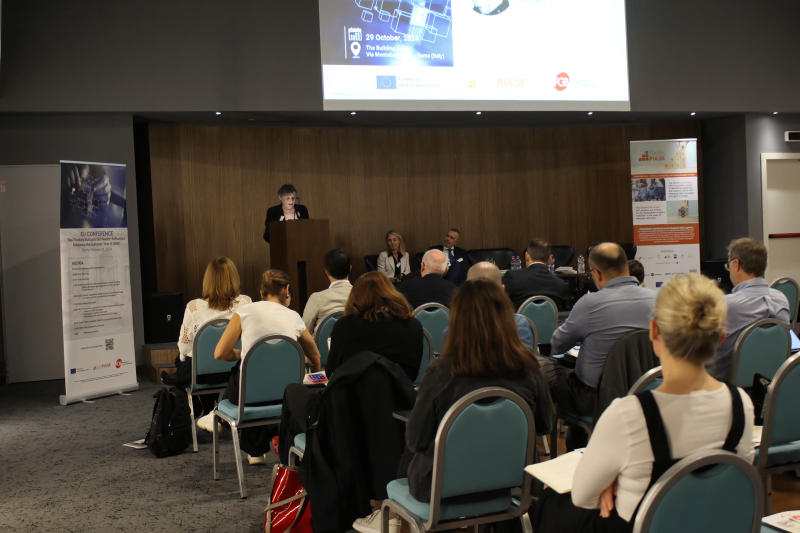
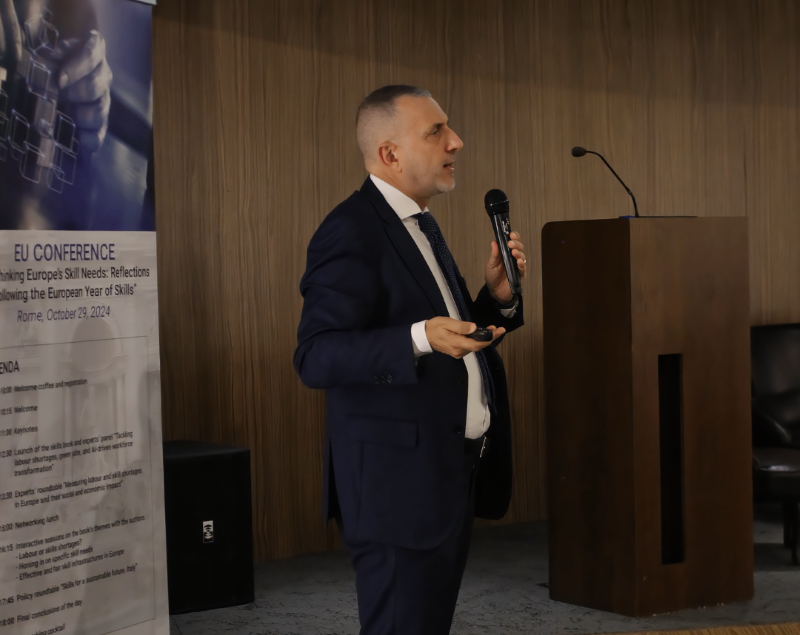
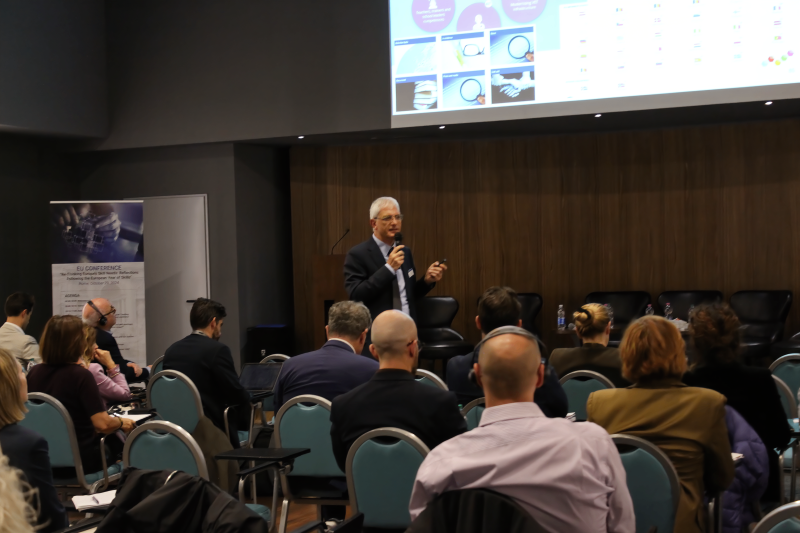
The event was opened by Annamaria Simonazzi, president of Fondazione Giacomo Brodolini, followed by the keynote speakers Glenda Quintini from OECD, who addressed the questions linked to the structural trends affecting skill demand and supply, including the impacts of demographic changes, digital and green transitions, and resulting skill mismatches across sectors, and Antonio Bonardo from the World Employment Confederation, WEC-Europe, who discussed changes in recruitment approaches, emphasising the growing reliance on agency workers to provide specific high-caliber skills that employers struggle to find through permanent hires, indicating a strategic reliance on agency workers to meet critical skill needs. He also addressed the dual pressures of rapid technological change and demographic shifts that are contributing to talent shortages.
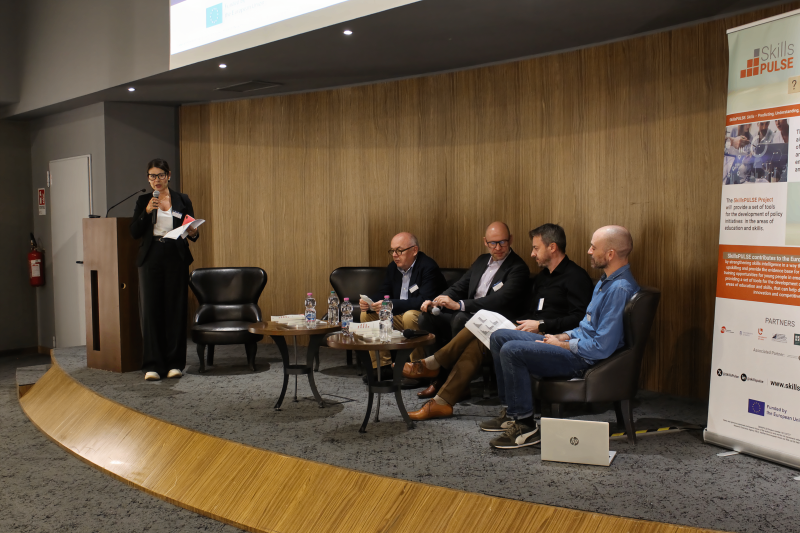
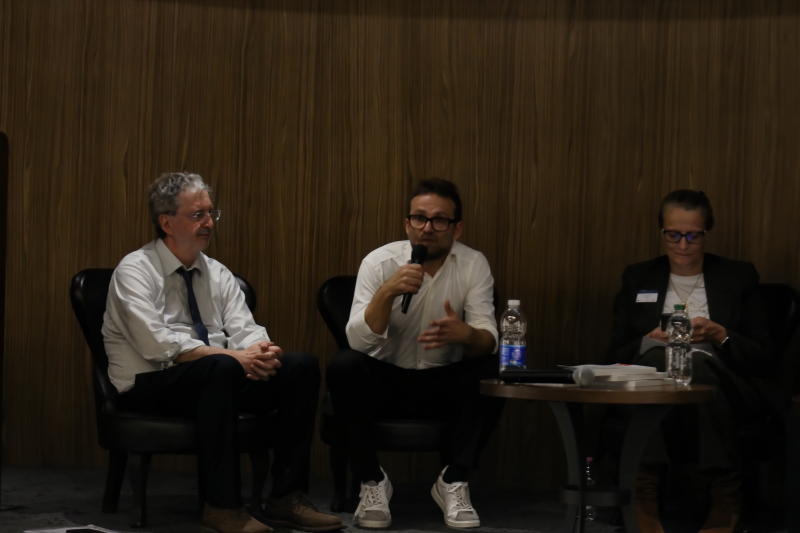
The first panel, titled “Tackling Labour Shortages, Green Jobs, and AI-Driven Workforce Transformation”, explored emerging needs and solutions across these topics, and featured panelists Lukasz Arendt, from University of Lodz, Iván Diego Rodríguez, from Valnalon Spain, Eamonn Davern, independent employment services expert, and Matteo Sgarzi, from CEREQ France. The discussion covered Europe’s readiness for labour market transformation, including how AI is shaping job skills, the role of public employment services, the relevance of career guidance, and the intersection of entrepreneurship with green and digital transitions.
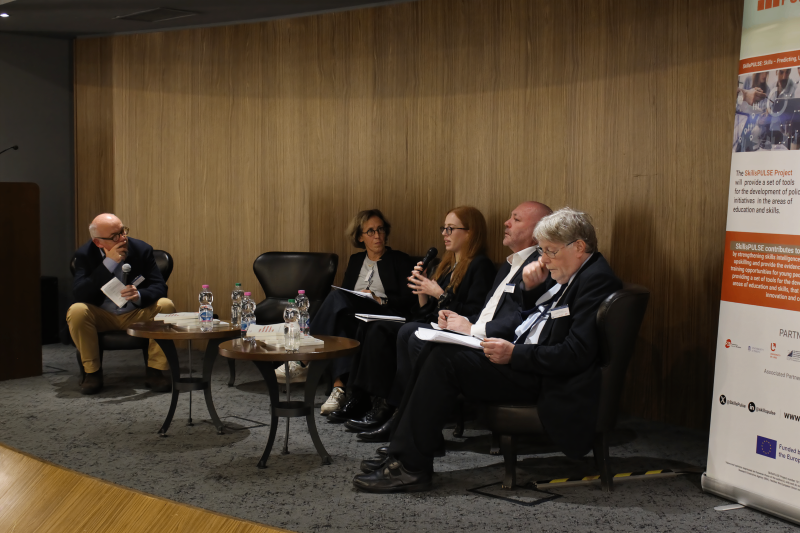
The second roundtable, moderated by Giuseppe Ciccarone, from Sapienza University in Rome, delved into measuring labour and skill shortages in Europe and their social and economic impact, with valuable insights from Seamus McGuinness, from ESRI Dublin, Irene Mandl, from European Labour Authority, Ilias Livanos, from CEDEFOP, and Marcin Kocór, from Jagiellonian University in Krakow. The panel explored the nuances of skill shortages across the EU, challenging the assumption of a widespread deficit.
CEDEFOP’s forecasts offer insights into future demands shaped by digital and green transitions, emphasising a potentially under-discussed demographic shift that could lead to an EU labour force contraction. Looking ahead, sectors facing the highest vacancy rates may require adjustments in job quality and conditions to attract talent.
EURES was presented as a an important tool in addressing cross-border skill mismatches, helping jobseekers navigate EU job markets and facilitating movement between areas of high demand and high unemployment, often near borders.
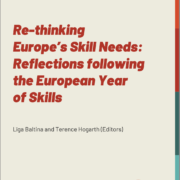
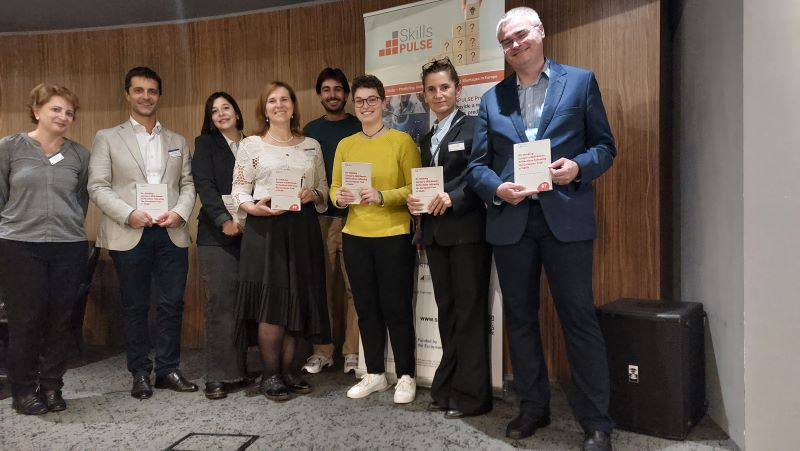
The conference also served as the official launch of the book, Re-Thinking Europe’s Skill Needs: Reflections Following the European Year of Skills, published by Fondazione Giacomo Brodolini. Liga Baltina and Terence Hogarth co-edited the book, which represents a significant contribution to ongoing discussions around skills in Europe.
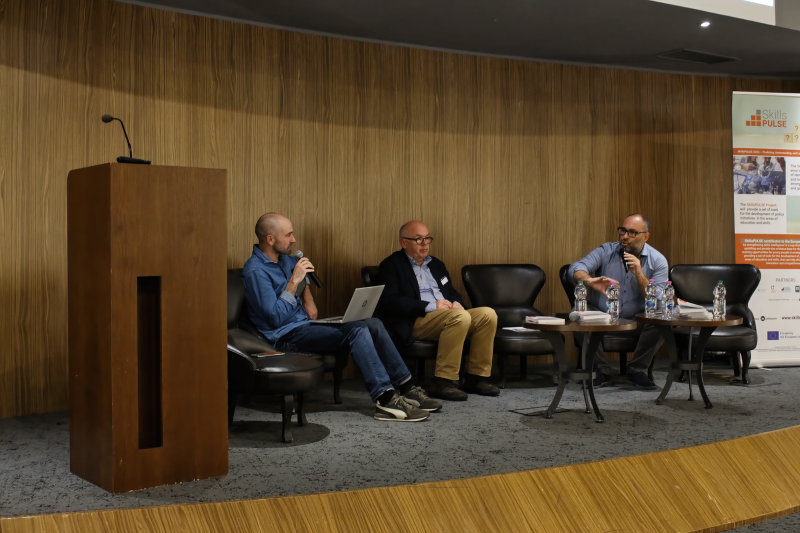
Three interactive sessions took place during the second part of the Conference, where contributors to the book discussed essential themes from the publication: “Labour or Skills Shortages?”, “Honing in on Specific Skill Needs”, and “Effective and Fair Skill Infrastructures in Europe”, moderated by Terence Hogarth, Maria Laura Fornaci, from Fondazione Giacomo Brodolini, and Iván Diego Rodríguez.
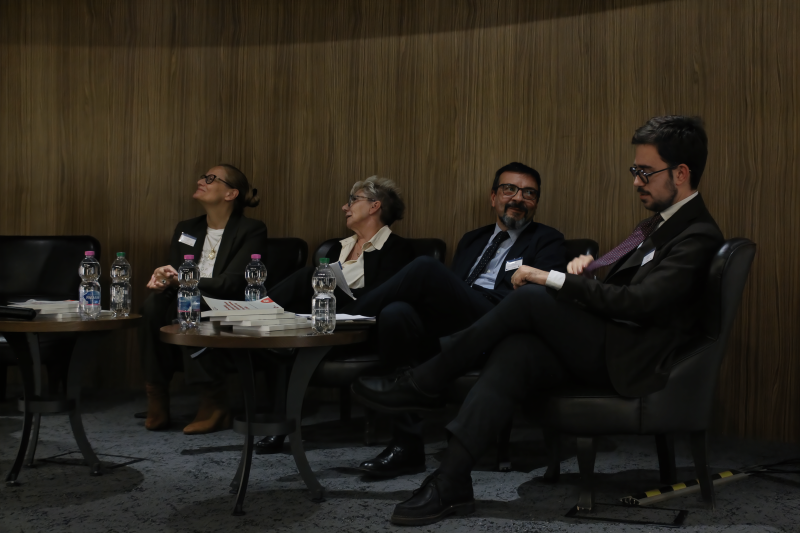
Keynote speaker Roberto Angotti, from INAPP, opened the final session “Skills for a sustainable future. Italy” which was moderated by Luca Dordit, from University of Udine, and featured Massimo Temussi, Ministry of Labor and Social Policies, Ettore Russo, from Anitec-Assinform, Eleonora Pisicchio, from Fondo For.Te., Raffaele Saccà, from Fondimpresa, and Paola Vacchina, from Forma. During the policy roundtable, the experts discussed the challenges facing the Italian labour market, particularly in terms of skills needs, as well as the policies designed to address skill mismatches related to the digital, green, and demographic transitions.
In his closing remarks, Giuseppe Forte, from Fondazione Giacomo Brodolini, gathered the day’s main insights and reflections, providing a cohesive summary and sharing key policy recommendations. Manuelita Mancini, director of Fondazione Giacomo Brodolini, concluded a day filled with impactful discussions, new collaborations, and a renewed commitment to reshaping Europe’s skill landscape for the future.
Thank you to all speakers and attendees. We look forward to seeing you at future events!
Download the press release here.
Download the insights here.
 |
 |
 |
 |
 |
 |
 |
 |
 |
 |
 |
 |
 |
 |
 |
 |
 |
 |
 |
 |
 |