
SkillsPULSE explores the opportunities and limitations of composite indicators at the 20th FGB Knowledge Apéro
The event brought together research and policy perspectives to discuss how composite indicators can support evidence-informed policymaking without oversimplifying complex realities.
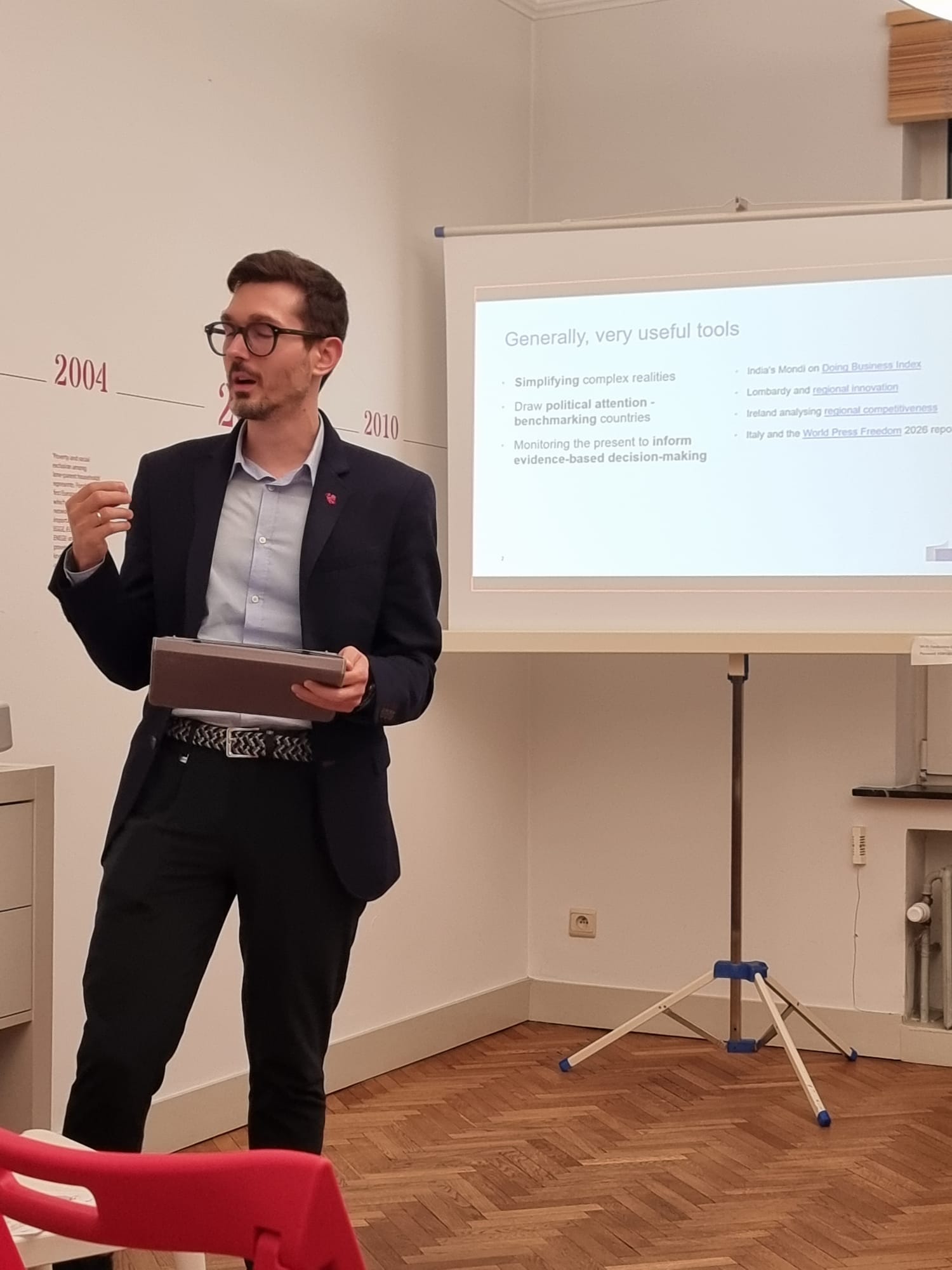
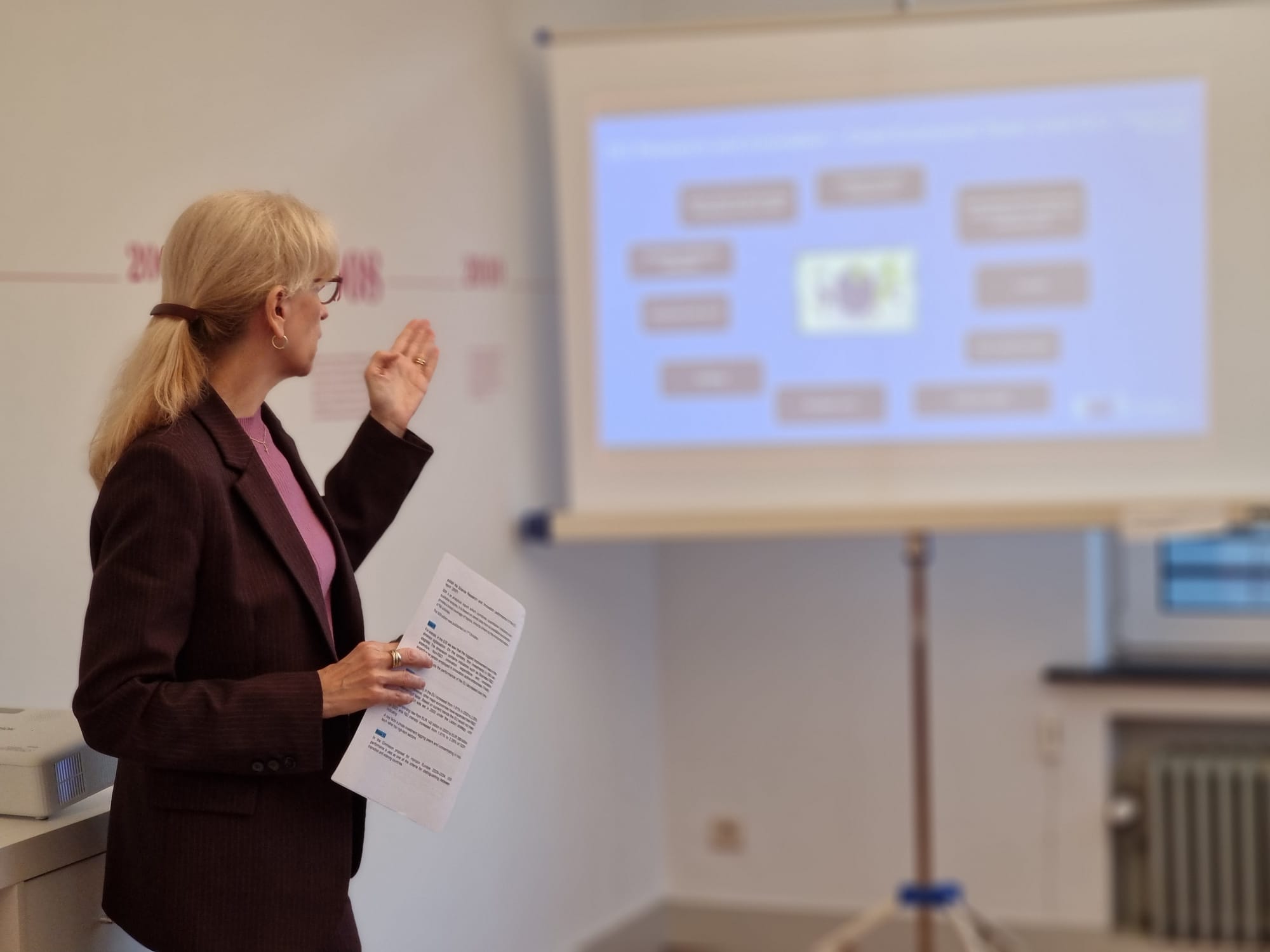
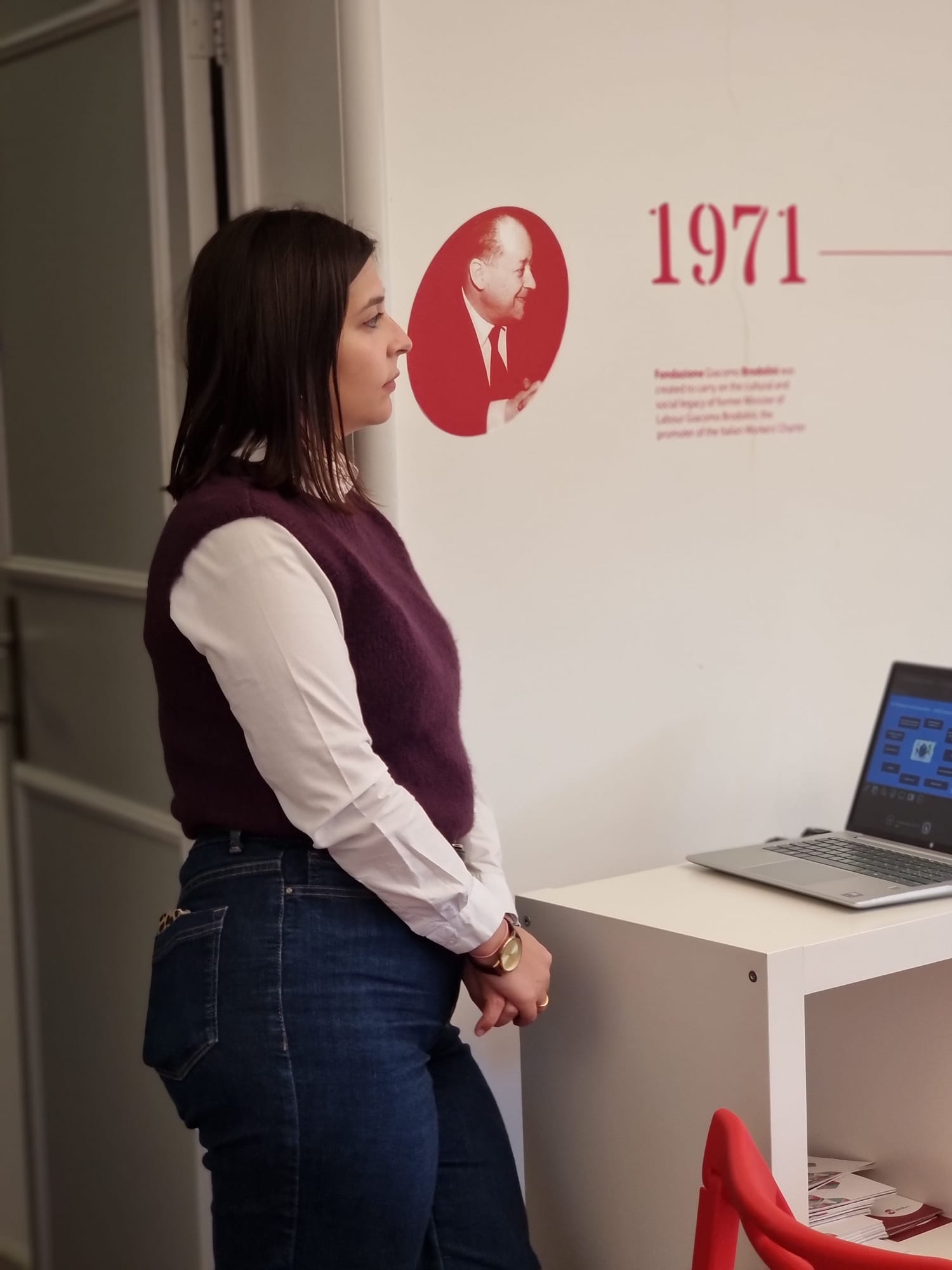
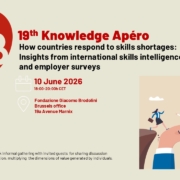
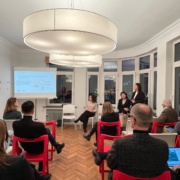
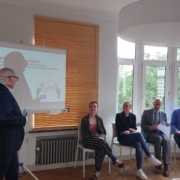
On 13 October 2026, the 20th FGB Knowledge Apéro, organised by SkillsPULSE coordinator Fondazione Giacomo Brodolini in Brussels, brought together experts to discuss the opportunities and limitations of composite indicators under the title “One number, many stories: What do composite indicators reveal and conceal?”.
The discussion focused on how composite indicators translate complex information into a single score or ranking, making it easier to compare situations and identify policy priorities. At the same time, these tools can conceal important differences, methodological assumptions and uncertainties that need to be considered when interpreting results.
The event connected three complementary perspectives: the European Skills Deficiencies Index (ESDI), developed within the SkillsPULSE project; the methodological expertise of the European Commission’s Joint Research Centre (JRC) Competence Centre on Composite Indicators and Scoreboards; and the policy perspective of the Directorate-General for Research and Innovation (DG RTD).
Moderated by Liga Baltina, Head of the Labour Market and Skills Research Unit at Fondazione Giacomo Brodolini (FGB), the session featured contributions from Marina Ferent-Pipas, Researcher at FGB; Panagiotis Ravanos, Quantitative Policy Analyst at the JRC; and Athina Karvounaraki, Senior Expert in Statistics and Indicators and Team Leader at DG RTD.
A big thank you to all our speakers and participants for their valuable contributions!